


An Exclusive Expert Interview
on C3G and IC-MPGN

C3G and primary IC-MPGN are rare, complex, complement-mediated kidney diseases.
Their heterogeneous clinical presentation, overlapping histopathological features, and fluctuating disease course make timely diagnosis and effective management particularly challenging. Despite advances in understanding complement dysregulation, many patients still face significant risks of chronic kidney disease progression, recurrence after transplantation, and reduced quality of life.

In this expert video interview, internationally recognized specialists in complement-driven renal diseases share their perspectives to help deepen understanding of these rare and complex disorders.

Through a clear and scientifically grounded
conversation, the interview explores:

  • Current insights into the mechanisms of complement dysregulation and how they shape disease behavior

  • Key diagnostic challenges, including subtle early signs, evolving clinical criteria, and the importance of timely recognition

  • Practical considerations for patient management, from monitoring strategies to managing progression and recurrence

  • The latest therapeutic developments, with a particular focus on innovative complement-targeted treatments that are reshaping the clinical landscape

Highlights

Early recognition and diagnosis are critical to preserve kidney function

Early identification is essential to prevent irreversible kidney damage, and kidney biopsy should be performed promptly and reviewed by an experienced renal pathologist.
Pathology is central to disease classification

Dominant C3 deposition and electron microscopy are key to defining disease subtype and distinguishing primary from secondary MPGN.
Clinical presentation and monitoring guide management

Patients typically present with hematuria, proteinuria, edema and hypertension, and disease activity should be monitored mainly through proteinuria and eGFR.
Current standard of care focuses on nephroprotection and immunosuppression

ACE inhibitors are the cornerstone of therapy, with corticosteroids ± MMF used for active or severe disease.
Transplantation carries a high risk of recurrence

More than half of patients experience disease recurrence after transplantation, significantly affecting long-term graft survival.

Targeted therapies are changing the treatment landscape

Complement inhibitors such as pegcetacoplan and iptacopan have shown promising results in reducing proteinuria and stabilising kidney function.

Faculty: Meet the experts

Moderator

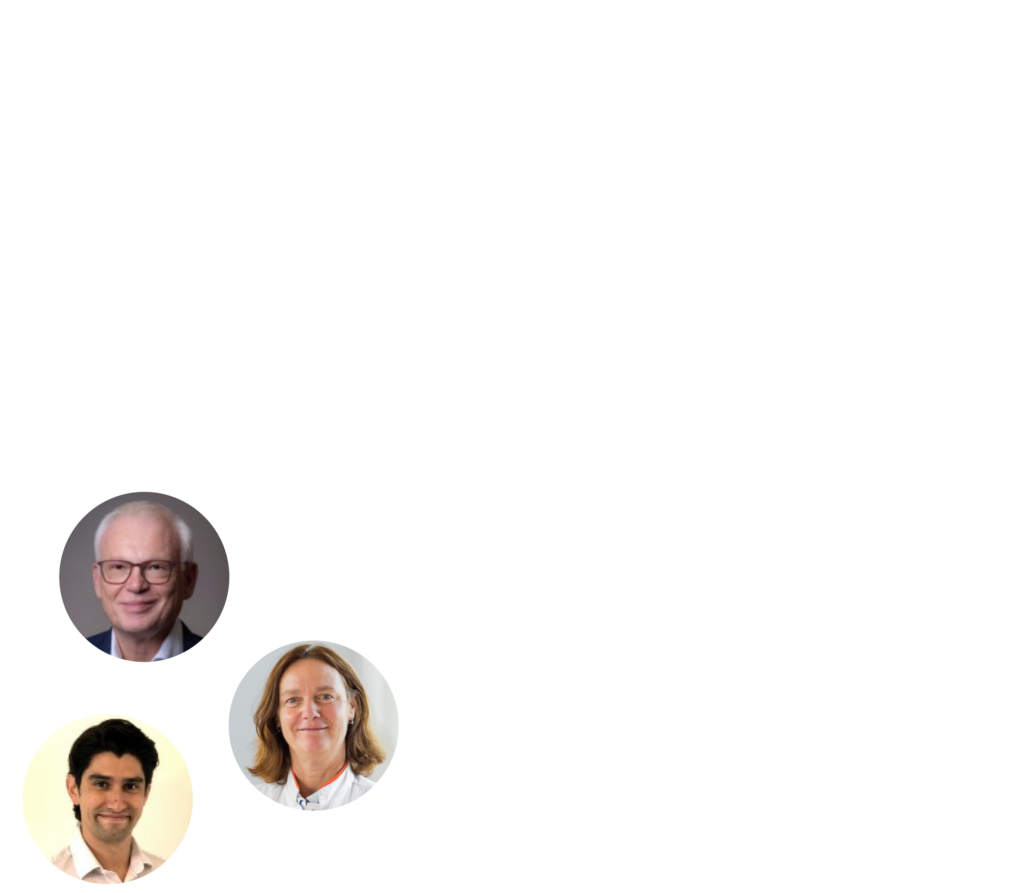
Dieter Haffner

Department of Pediatric Kidney, Liver and Metabolic Diseases, Hannover Medical School, Hannover, Germany

Experts

Nicole Van De Kar

Radboud University Medical Center, Amalia Children’s Hospital, Nijmegen, Netherland

Nabil Melhem

Evelina London Children’s hospital
Guy’s and St. Thomas’ NHS trust

This program is supported by Sobi in the form of an unrestricted financial support.
The scientific program has not been influenced in any way by its sponsor.